Episode 04: After Death Planning - with Garrick Colwell
When was the last time you thought about your own death - not the medical decisions leading up to it, but the moment of death itself and what follows in the hours, days, and weeks afterward?
In this episode, we explore what happens after the last breath. We talk about after-death care, the options available to us, and why planning for this phase matters just as much as advance medical directives. Far from being morbid, these conversations can bring clarity, ease the burden on loved ones, and help us live with greater intention.
I’m joined once again by my friend Garrick Colwell, a certified grief educator, hospice volunteer, and co-founder of Kitchen Table Conversations, a nonprofit dedicated to empowering families to engage in meaningful end-of-life and advance-care planning discussions. Together, we unpack what after-death planning really means and how approaching it with care and openness can be a profound act of love.
Your personal Funeral Planner
We’ve created an easy-to-use Funeral Planner just for our listeners. You can download it for free and either save it to your computer as a fillable PDF or print it out and complete it by hand, at your own pace.
Dive deeper into the subject:
A home funeral is a family-led approach to after-death care in which the deceased is kept at home (or another chosen place) for a period of time before burial or cremation. Loved ones may participate in washing, dressing, and vigil-keeping, creating space for presence, ritual, and personal goodbyes. Supported by local laws and, when desired, a funeral guide or hospice professional, home funerals emphasize dignity, simplicity, and meaningful connection at the end of life.
Why some families choose a home funeral
It gives time. Time to slow down, to sit, to breathe, to say goodbye without being rushed.
It creates intimacy. Death happens in a familiar space, surrounded by people who loved deeply.
It allows for personal ritual. Washing, dressing, lighting candles, sharing stories—nothing is prescribed.
It supports grief gently. Staying present with the body can help the reality of loss land more naturally.
It brings a sense of agency. Families are not handing death away; they are caring for their own.
It can be simpler and less costly. Fewer intermediaries, more intention.
Find out all about home funerals at the National Home Funeral Alliance
Whatever it is, the way you tell your story online can make all the difference.
Options for After-Death Care
After death, there is a wide range of ways the body can be cared for. These choices are deeply personal and often shaped by values, culture, faith, family traditions, and our relationship with nature. There is no “best” option—only what feels right for you.
Embalming
Embalming is a chemical process that temporarily preserves the body, most often used when there is a public viewing or a long delay before burial. It’s important to know that embalming is usually not required by law. Many families choose to forgo it, especially when simplicity or natural care feels more aligned.
Burial
Conventional burial involves a casket placed in the ground, often with a vault or liner, in a cemetery.
Green or natural burial avoids embalming and uses biodegradable materials, allowing the body to return to the earth in a more natural way. Find out more
Home or family burial, where legal, allows burial on private land, often with a more intimate and family-led approach.
Cremation
Flame cremation is the most common option and uses high heat to reduce the body to ashes.
Water cremation (also called alkaline hydrolysis) uses water and gentle chemistry instead of flame and is considered more environmentally friendly.
Open-air funeral pyres are part of ancient traditions in some cultures and are legal in limited places.
Human Composting (Recomposition)
Recomposition allows the body to be transformed into soil through a natural, carefully managed process. For many, this option reflects a desire to return fully to the earth and contribute to new life. It is currently legal in a growing number of regions. Find out more
Donating the Body to Science
Some people choose to donate their body for medical education or research. This can support future doctors and scientific understanding. Once studies are complete, the remains are often cremated and returned to the family, if they wish. Find out more
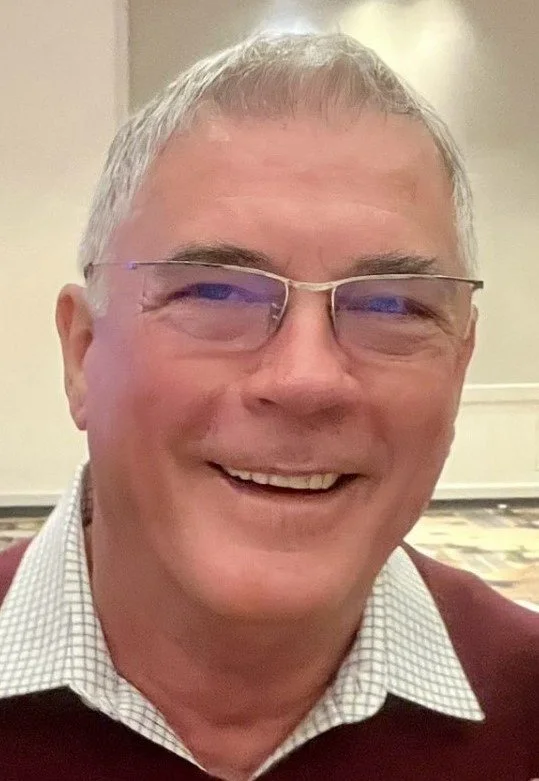
Garrick Colwell
Garrick is a certified Grief Recovery Specialist and a Grief Educator with an extensive background in every aspect of grief and loss. He is the co-Creator of Kitchen Table Conversations, a nonprofit providing education and resources that empower people to have conversations about Advance Care Planning, End of Life and Grief.
Garrick is a widower and served his late wife Kinsloe as her patient advocate, caregiver, and end of life companion. Recently he lost his dad Bob, so his views on how to deal with the holidays while grieving are not only educated, but personal. Find out more.
Links and Resources for this episode:
Kitchen Table Conversations
Kitchen Table Conversations encourages people to have end of life conversations in the comfort of their homes instead of during a medical crisis in the ICU. They offer information, resources, webinars and workshops around end of life planning. While some articles and forms are specific to Texas, where they are located, most resources are universal and a wonderful place to start planning. Find out more.
Books to dive deeper into the subject:
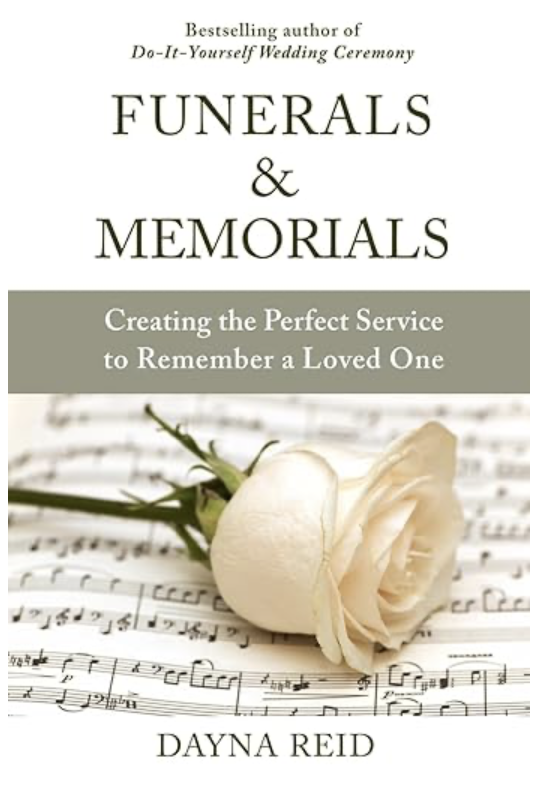
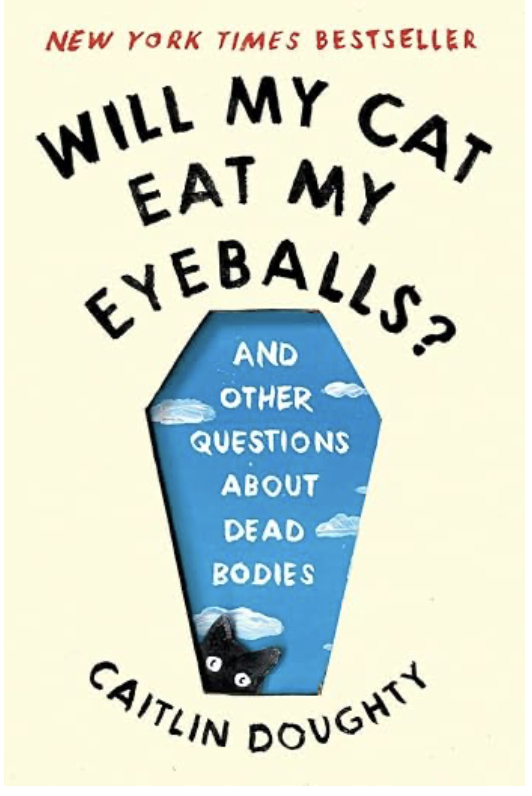
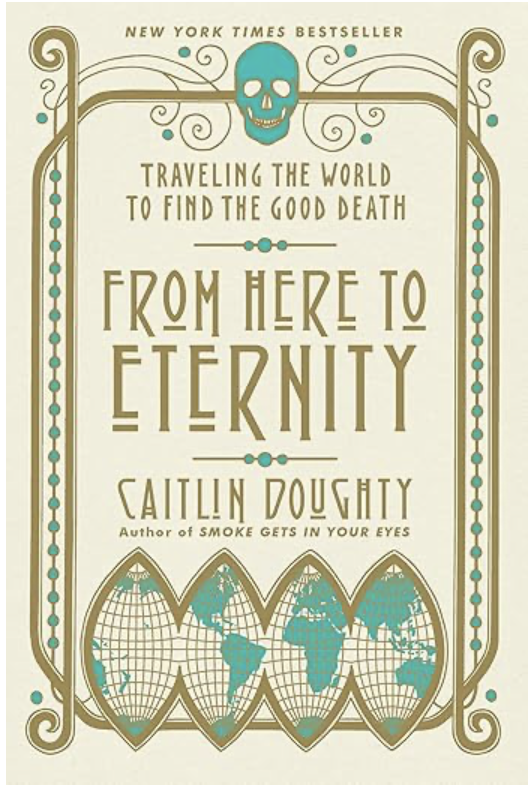
If you want help planning your own funeral and memorial service check out our link above. Our personal planner is a great starting point. Otherwise have a look here. Not only will you find helpful planning tools, but also some books with a - let’s say “less conventional approach” to death. (highly enjoyable, I might add)