
Why this book exists
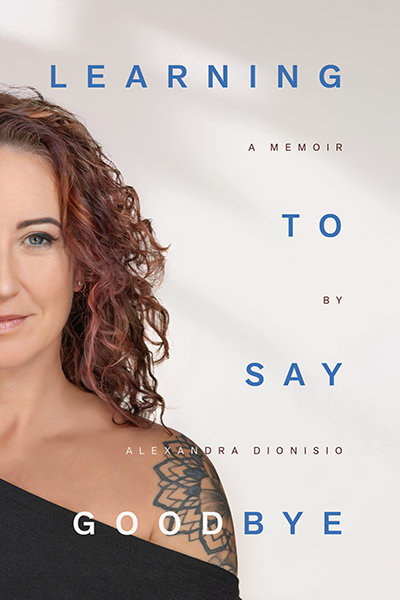
I didn't set out to write a memoir about grief. Honestly, I never imagined I'd write about grief at all.
Years ago, I was a wedding planner - helping people celebrate beginnings, first dances, toasts to forever. Later, I moved to Dubai and worked as a director of marketing and operations for a sports company. My life was full of deadlines, strategy meetings, and building brands.
And then everything shattered.
When Loss Becomes a Cascade
My mother died first. Cancer, fast and brutal. I was living in Dubai when she got sick, but I flew back to Germany to be with her. I held her hand as she took her last breath - my first time being present at someone's death, scared and overwhelmed but refusing to leave her side.
But she wouldn't talk about dying. She refused to acknowledge what was happening, and in respecting her wishes, I never got to say the things I needed to say.
Then came more losses. A close friend. My best guy friend. All sudden, all without warning, all without goodbyes.
And then Kathrin - my soul sister since childhood - died in a car accident. Sudden. Senseless. The kind of loss that splits your world into before and after.
Four people I loved, gone in quick succession. And I had said goodbye to none of them.
That inability to say goodbye - that's what broke me. And ultimately, that's what transformed me.
I went from corporate strategy meetings to sitting with families as their children died.
The Transformation I Didn't Choose
Becoming an end-of-life doula wasn't a career decision. It was survival. When you lose everyone you love in quick succession, and can't say goodbye to any of them, you either run from death, or you turn toward it. I turned toward it.
I started sitting with dying children and their families. I learned to hold space for the unbearable. I discovered that there's profound beauty in the final chapters of life - beauty that our culture desperately tries to hide.
But here's what surprised me: working as a pediatric hospice doula didn't answer my questions about where the people I loved had gone. It didn't erase my grief. It didn't make loss hurt less.
What it did do was give me a mission: to help families say the goodbyes I never got to say.
I practice end-of-life reiki - creating that connection, that final goodbye when words are not enough. When the human language doesn't even have enough words to express the love of a parent for a child during those last precious moments. But energy supersedes the limitations of human language. It builds a connection that is pure and direct - heart to heart, soul to soul - and it changes the dying process completely.
When I arrive at a family's home, the air is often heavy with fear and anticipatory grief. End-of-life reiki lifts that energy. It creates space for goodbye. It transforms those final hours from something to dread into something sacred.
I do this work because I never got to say goodbye. Because my mother refused to acknowledge she was dying. Because three other people I loved were taken suddenly, without warning, without time.
I couldn't save them. But I can help other families have what I didn't - the chance to say the things that need to be said, to create connection when words fail, to be fully present for those final, precious moments.
Why I Had to Write It Down
For years, I carried my grief privately. I showed up for other families, held their pain, witnessed their goodbyes. But my own losses? Those I kept locked away, guarded by my shoulder critic who whispered that my pain was too much, too messy, not worth sharing.
I started writing Learning to Say Goodbye because I needed to understand what had happened to me. I needed to make sense of the dreams where my mother visited, the uncanny coincidences that felt like signs, the moments when grief made reality feel surreal.
Traditional memoir structure felt wrong. Grief isn't linear. It doesn't follow a neat arc from pain to healing. It shape-shifts. It appears when you least expect it. It wears different costumes.
So, I wrote it the way grief actually feels - with magical realism, with my shoulder critic as a visible companion, with honesty about the mystery of what happens after we say goodbye.
What This Book Isn't
This isn't a book that promises you'll "get over" grief or find "closure." I don't believe in closure. The people we love don't close. They remain.
This isn't a book with easy answers about what happens after death. I don't have those answers. Nobody does.
This isn't a self-help book with five steps to healing. Grief doesn't work that way.
What This Book Is
This book is an honest account of what it's like to lose everything and somehow keep living.
It's about the shoulder critic who's been with me since childhood, collecting my wounds, protecting me in his broken way.
It's about sitting with dying children and learning that they have wisdom the rest of us have forgotten.
It's about dreams, signs, coincidences, and the thin places where the living and the dead almost touch.
It's about the practice of listening for what lingers after goodbye.
Most of all, it's an invitation to trust that even when everything falls apart, love remains. It doesn't vanish. It changes form.
Who This Book Is For
If you're grieving and the platitudes people offer feel hollow - this book is for you.
If you've lost someone suddenly and the world expects you to "move on" but you can't - this book is for you.
If you've seen signs from someone who died and worried you're losing your mind - this book is for you.
If you work with death and dying and need to know you're not alone in holding this weight - this book is for you.
If you're curious about what a pediatric end-of-life doula actually does - this book is for you.
If you believe there's mystery beyond what we can see, or if you want to believe but aren't sure - this book is for you.
Why Now
We don't talk about death enough. We hide it away, sanitize it, avoid it until we can't anymore. And then, when loss comes - and it always comes - we're left flailing with no language, no community, no permission to grieve the way we need to.
I wrote this book because I wish it had existed when my mother died. When Kathrin died. When I was drowning in grief and searching for anything that felt true.
I wrote it for the person sitting alone right now, wondering if the pain will ever ease.
I wrote it for the person who sees signs and doesn't know what to make of them.
I wrote it for anyone who's ever loved someone so deeply that their absence becomes a presence.
This book exists because love doesn't end. It transforms.
And sometimes, if we're very quiet and very brave, we can still feel it.
Learning to Say Goodbye: A Memoir of Grief and Trust is available now in paperback and ebook. You can find it on Amazon, or learn more at learningtosaygoodbye.com.